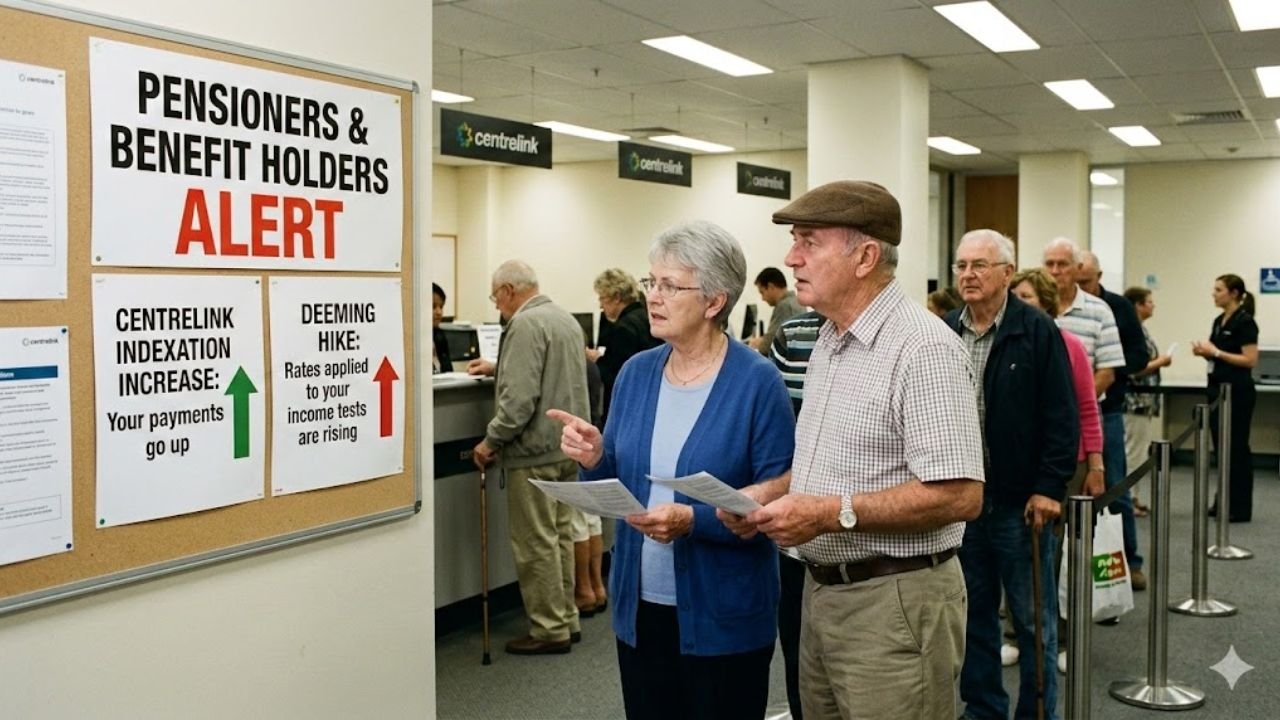
March 2026 brings a significant shift for millions of Australians relying on social security support. The Federal Government has confirmed the upcoming indexation of welfare payments, which traditionally provides a welcome financial boost to help combat inflation. However, this year, the news is tempered by a simultaneous increase in deeming rates. For the first time in several years, the “frozen” rates that protected pensioners from high interest rate assessments are being adjusted upward. This creates a complex landscape where the extra cash from indexation might be partially offset by how Centrelink calculates your private income.
Understanding the March 2026 Indexation Boost
The primary goal of indexation is to ensure that the Age Pension, Disability Support Pension, and Carer Payments keep pace with the cost of living. Based on the latest Consumer Price Index (CPI) and the Pensioner and Beneficiary Living Cost Index (PBLCI) data, the maximum rate for single pensioners is expected to increase by approximately $22.20 per fortnight. For couples, the combined increase will reach around $33.60. While these figures represent a necessary adjustment for rising grocery and utility bills, they serve as the baseline for a more complex calculation involving the income and assets tests.
The Return of Deeming Rate Adjustments
Deeming is a set of rules used by Centrelink to work out the income from your financial assets, regardless of what you actually earn in interest. After a long period of stability and a post-pandemic freeze, the Government is implementing a “gradual” reset. From 20 March 2026, the lower deeming rate will rise from 0.75% to 1.25%, and the upper rate will climb from 2.75% to 3.25%. This means that if you have significant savings, term deposits, or shares, Centrelink will “deem” that you are earning more money than before, which could potentially reduce your pension entitlement.
Comparative Payment Rates and Deeming Thresholds
To better understand how these changes might affect your pocket, it is essential to look at the new figures side-by-side. The following table outlines the expected payment rates and the new deeming percentages effective from 20 March 2026.
Why the Dual Change Matters for You
The “clash” occurs because indexation increases your total potential payment, while the deeming hike increases your “assessed income.” For a full pensioner with minimal assets, the indexation will be felt as a pure gain. However, for part-pensioners who are assessed under the income test, the higher deeming rates might pull their pension down slightly, effectively eating into the indexation raise. Financial experts suggest that because market interest rates on many savings accounts are currently hovering around 4% to 5%, the new 3.25% upper deeming rate still remains relatively favorable compared to actual bank returns.
Impact on Commonwealth Seniors Health Card Holders
It isn’t just pensioners who need to be alert. The Commonwealth Seniors Health Card (CSHC) is also subject to an income test that includes deemed income from account-based pensions. As the deeming rates rise, some self-funded retirees who are close to the income limit might find their eligibility for the card under pressure. The government has maintained that the increase is “measured and incremental” to prevent a sudden loss of benefits, but it remains a critical time for seniors to review their financial standing and ensure their details with Services Australia are up to date.
Navigating the Transition and Next Steps
As these changes take effect on 20 March, there is no need for most recipients to manually update their records; Centrelink applies the indexation and deeming adjustments automatically. However, if your asset values have changed significantly—perhaps due to a shift in the stock market or a large expenditure—now is the time to report those changes. Keeping your asset values current ensures that the deeming rules are applied to the correct amounts, preventing you from being over-assessed on income you no longer have the potential to earn.
Looking Ahead: Cost of Living vs. Policy
The dual announcement highlights the delicate balance the government must strike between providing support and managing the budget. While the $22.20 boost is a step toward easing pressure, the rise in deeming rates serves as a reminder that the “holiday” from rate hikes is over. For most, the net result will still be an increase in their fortnightly bank balance, but the margin of that increase will depend heavily on individual circumstances. Staying informed through official channels like the Department of Social Services (DSS) is the best way to plan for the months ahead.
FAQs
Q1. When exactly will I see the extra money in my bank account?
The new indexation and deeming rates apply to payments from 20 March 2026. Because Centrelink pays in arrears, your first full payment at the new rate will likely arrive in early April.
Q2. Will my pension be cut because of the deeming rate hike?
If you are a full pensioner with assets below the threshold ($64,200 for singles or $106,200 for couples), you will see the full benefit of indexation. Only those whose pensions are reduced by the income test may see a partial offset.
Q3. Do I need to do anything to get the increase?
No. Centrelink will automatically update your payment rates. However, you should always report any major changes in your actual assets or income within 14 days to ensure your payment remains accurate.