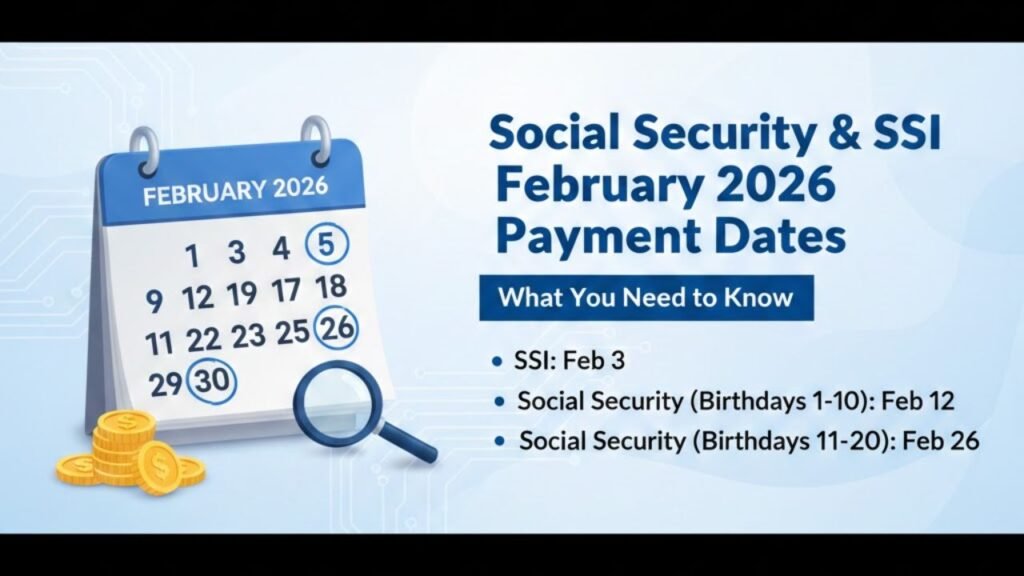
The Social Security Administration (SSA) has officially confirmed a 2.8% Cost-of-Living Adjustment (COLA) for 2026. This increase is a direct response to the inflationary pressures observed throughout the previous year, specifically tracked via the Consumer Price Index for Urban Wage Earners and Clerical Workers (CPI-W). For the average retiree, this translates to an estimated monthly boost of $56, bringing the typical check from $2,015 to approximately $2,071. While this adjustment is designed to help seniors maintain their purchasing power, it often feels like a “COLA catch-22” because the extra funds are frequently offset by rising costs in healthcare, housing, and groceries. Understanding how these numbers shift is the first step in ensuring your financial strategy remains robust in the coming years.
The Impact of Medicare Part B Deductions
While the 2.8% boost looks promising on paper, many beneficiaries will notice that their “take-home” pay doesn’t increase by the full amount. This is primarily due to the projected rise in Medicare Part B premiums, which are typically deducted directly from Social Security checks. For 2026, the standard monthly premium for Medicare Part B is expected to climb to $202.90, a significant jump from the $185 rate in 2025. This nearly 10% increase in healthcare costs can consume a large portion of your COLA raise. For many, the net increase in their monthly deposit might only be around $38 after accounting for these medical deductions. Being aware of this net gain is essential for realistic monthly budgeting.
2026 Social Security & Medicare Fast Facts
| Category | 2025 Value | 2026 Value | Net Change |
| Average Retiree Benefit | $2,015 | $2,071 | +$56 |
| Max Taxable Earnings | $176,100 | $184,500 | +$8,400 |
| Medicare Part B Premium | $185.00 | $202.90 | +$17.90 |
| Earnings Limit (Under FRA) | $23,400 | $24,480 | +$1,080 |
Strategic Timing for Maximum Payouts
To truly maximize your Social Security check in 2026 and beyond, the most powerful lever you have is the timing of your claim. While you can technically start receiving benefits at age 62, doing so results in a permanent reduction—up to 30% if your Full Retirement Age (FRA) is 67. Conversely, for every year you delay your claim past your FRA until age 70, your benefit increases by approximately 8% per year. In the context of 2026, a worker who waits until 70 could see a monthly benefit that is significantly higher than if they had settled for their FRA amount. If your health and current savings allow it, waiting is often the most effective “raise” you can give yourself.
Navigating the 2026 Earnings Test
For those who plan to keep working while collecting Social Security before reaching their Full Retirement Age, the Earnings Test is a critical factor. In 2026, the earnings limit has increased to $24,480. If you earn more than this threshold, the SSA will withhold $1 in benefits for every $2 you earn over the limit. However, for those reaching their FRA in 2026, the limit is much more generous at $65,160, with a $1 withholding for every $3 earned over the limit until the month you hit your birthday. It is important to remember that these withheld funds aren’t “lost” forever; the SSA recalculates your benefit at your FRA to account for the months they held back your payments, eventually increasing your monthly check.
Optimizing Your 35-Year Earnings Record
The SSA calculates your primary insurance amount based on your highest 35 years of indexed earnings. If you have fewer than 35 years of work, the formula inserts a “zero” for each missing year, which can drastically pull down your average. In 2026, high earners should also note that the maximum taxable earnings cap has risen to $184,500. Working an extra year or two at a higher salary can replace lower-earning years from your youth, effectively boosting your lifetime average. This is a “behind-the-scenes” way to increase your check that many retirees overlook until it is too late to make a change.
Tax Implications and State-Level Changes
Your 2026 Social Security strategy must also account for the “tax torpedo.” Depending on your combined income—which includes your Adjusted Gross Income (AGI), nontaxable interest, and half of your Social Security benefits—you may owe federal taxes on up to 85% of your benefits. On a brighter note, several states are continuing to phase out the taxation of Social Security. For instance, West Virginia is set to complete its phase-out in 2026, and many other states offer significant exemptions for seniors. Checking your specific state’s tax laws or considering a move to a more “retiree-friendly” state can sometimes save you more money than the COLA itself provides.
Action Steps for the 2026 Transition
Maximizing your benefits requires proactive management of your “my Social Security” account. By late 2025 or early 2026, you should log in to view your personalized COLA notice, which details your exact gross benefit and all deductions. This is also the time to review your earnings history for any errors. If you find a year where your income was underreported, correcting it with the SSA can lead to a permanent increase in your monthly check. Staying informed and adjusting your withdrawal strategies from other retirement accounts like 401(k)s can help you stay below tax thresholds while enjoying the 2.8% boost.
FAQs
Q1 When will I see the 2026 Social Security increase?
The 2.8% COLA increase officially begins with the payments sent out in January 2026. Supplemental Security Income (SSI) recipients will see their first increased payment on December 31, 2025.
Q2 Can I work and still receive my full Social Security increase?
Yes, but if you are under your Full Retirement Age and earn more than $24,480 in 2026, a portion of your benefits will be temporarily withheld. Once you reach your FRA, there are no earnings limits.
Q3 Will my Medicare costs eat up my entire 2026 raise?
While the Medicare Part B premium is expected to rise by about $17.90 per month, the average retiree’s COLA increase is roughly $56. This means most people will still see a net increase of about $38 in their monthly deposit.