The Social Security system serves as a financial bedrock for millions of Americans, providing a steady stream of income for retirees and individuals with disabilities. However, recent updates and calendar shifts in early 2026 have sparked a wave of concern among beneficiaries. If you or a loved one relies on these monthly deposits, you may have noticed—or will soon notice—that some payments appear to be “paused” or missing from the schedule. While the word “paused” can sound alarming, the reality is often tied to routine administrative rules or specific eligibility triggers rather than a permanent loss of funds. Understanding the nuances of why these gaps occur is essential for effective budgeting and peace of mind.
The 2026 Calendar Shift and SSI “Glitch” Months
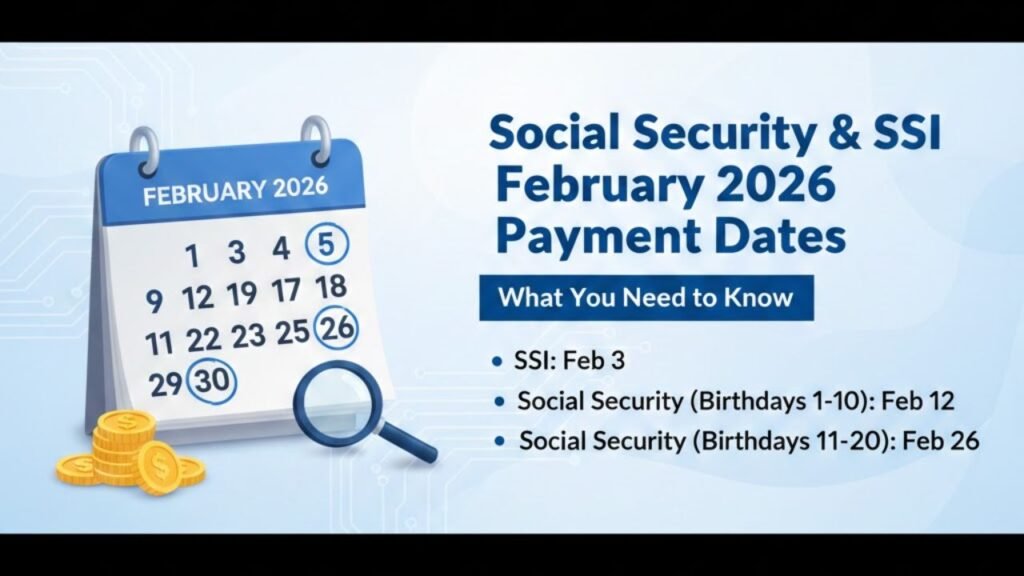
The most frequent cause for a perceived pause in payments during 2026 is actually a scheduling quirk involving Supplemental Security Income (SSI). By law, the Social Security Administration (SSA) must deliver SSI benefits on the first day of the month. However, if the first falls on a weekend or a federal holiday, the agency is required to send the payment on the preceding business day. In 2026, this happens in March, August, and November. For instance, because March 1 falls on a Sunday, the March payment is issued on February 27. This results in two payments in February and a “missing” payment in March. It is not a cut in benefits, but rather an early delivery that requires recipients to stretch their funds over a longer period.
Common Reasons for Benefit Suspensions
Beyond simple calendar shifts, individual payments can be officially paused or suspended for specific regulatory reasons. One of the primary triggers is the “Continuing Disability Review” (CDR). The SSA periodically re-evaluates recipients to determine if their medical condition has improved to the point where they can return to work. If a review suggests medical improvement, or if a recipient fails to provide the requested medical documentation, the SSA may pause payments until the case is resolved. Furthermore, administrative errors, such as an outdated address or an unreported change in marital status, can lead to a temporary hold as the agency verifies the new information to prevent overpayment.
Key Payment Milestones and Income Limits for 2026
To help you stay on track, the following table outlines the critical financial thresholds and scheduling adjustments that define the Social Security landscape this year.
| Category | Detail / Threshold (2026) | Impact on Payments |
| SSI Early Payment (March) | February 27, 2026 | No payment will arrive in the month of March. |
| SGA Limit (Non-Blind) | $1,690 per month | Earnings above this may pause disability benefits. |
| SGA Limit (Blind) | $2,830 per month | Higher threshold for blind disability recipients. |
| Trial Work Period (TWP) | $1,150 per month | Monthly earnings that trigger a “trial” month. |
| Incarceration Rule | More than 30 days | Payments are paused until the month after release. |
Income Thresholds and the Return to Work
For those receiving Social Security Disability Insurance (SSDI), payments are often paused due to earnings from employment. The SSA uses a metric called Substantial Gainful Activity (SGA). In 2026, if a non-blind recipient earns more than $1,690 a month, the SSA may consider them no longer “disabled” by their definition. However, the agency does offer a safety net known as the Trial Work Period. During this nine-month window, you can earn any amount without losing your benefits. Once that period ends, however, consistent high earnings will lead to a suspension of cash payments. Staying under these limits is vital for those who are not yet ready to transition fully off of federal assistance.
Administrative Holds and Verification Requirements
In 2026, the SSA has increased its focus on security and identity verification to combat rising fraud. A common reason for a sudden pause in payments is a change in direct deposit information that hasn’t been fully verified. If you switch bank accounts without using the “my Social Security” portal or visiting an office in person, the SSA may hold the payment to ensure the request is legitimate. Additionally, failing to report “life changes”—such as moving to a new home or traveling outside the U.S. for more than 30 consecutive days—can trigger an automated suspension. The agency views these as potential fraud risks or eligibility changes that must be cleared before funds are released.
Impact of the Federal Government Shutdown
As of February 2026, the U.S. government is navigating a partial shutdown due to funding lapses. While this news often causes panic, it is important to note that Social Security and SSI payments are classified as “mandatory spending.” This means the money is already set aside and does not require new congressional approval to be sent out. Even though local Social Security offices may operate with reduced staff and some in-person services like “proof of benefit” letters may be delayed, the actual monthly deposits will continue to arrive on their scheduled dates. If your payment is paused during this time, it is likely due to the individual eligibility factors mentioned above, rather than the shutdown itself.
How to Reinstate Paused Benefits
If you find that your payment has truly been stopped, the first step is to check your “my Social Security” account online for any notices. The SSA is required to send a letter explaining why a payment was paused, but mail delays can sometimes interfere. If the pause is due to a missed medical review or a documentation error, you can often resolve the issue by submitting the required forms via the online portal or at a local field office. For those facing a suspension due to excess income, you may be eligible for “Expedited Reinstatement” if your earnings drop again within five years, allowing you to get back on the rolls without filing a brand-new application.
FAQs
Q1 Why did I get two SSI payments in February but none in March?
This is a schedule shift, not a pause. Because March 1, 2026, is a Sunday, your March payment was sent early on February 27. You will not receive another deposit until April 1.
Q2 Can my benefits be paused if I move to a new house?
Yes, if you do not update your address with the SSA. If the agency receives returned mail or detects a discrepancy in your records, they may pause payments to prevent fraud until your location is verified.
Q3 Will the government shutdown stop my Social Security check?
No. Social Security and SSI payments are mandatory and continue even during federal funding lapses. While office services might be limited, your monthly money remains secure.