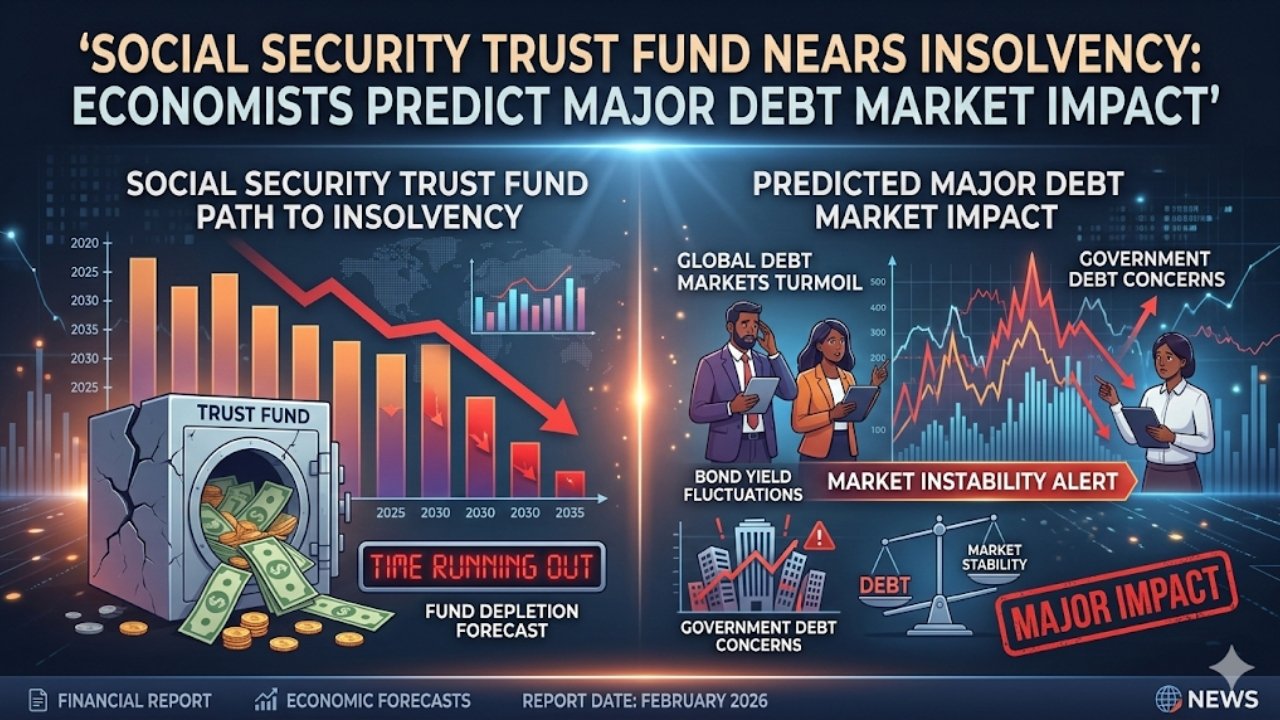
The Social Security Trust Fund, a cornerstone of retirement security for millions of Americans, is barreling toward insolvency. Economists now warn that without bold action, the fund could run dry as early as 2035, forcing drastic benefit cuts just when baby boomers need it most. This isn’t some distant crisis; it’s a ticking clock reshaping fiscal policy and rattling debt markets. Projections from the Social Security Administration’s trustees highlight how decades of optimistic assumptions—rising birth rates, steady workforce growth—have crumbled under reality’s weight, leaving a shortfall that demands urgent attention.
Why Insolvency Looms Large
At its core, the problem stems from demographics. Fewer workers are paying into the system as the population ages, while longer lifespans mean more payouts stretch further. The Old-Age and Survivors Insurance (OASI) Trust Fund, which covers retirement benefits, faces depletion first, per the 2024 Trustees Report. Revenues from payroll taxes cover only about 77% of scheduled benefits post-2035, economists like the Committee for a Responsible Federal Budget predict. This mismatch isn’t new, but political gridlock has stalled reforms, turning a solvable issue into a potential catastrophe.
Historical Roots of the Crisis
Social Security has weathered storms before—think 1983 reforms under Reagan that hiked payroll taxes and nudged up the retirement age. Back then, the trust fund built a surplus projected to last until 2060. Fast-forward to today, and that buffer is eroding fast. Economic shocks like the Great Recession and pandemic-driven retirements accelerated the drain, while immigration slowdowns shrank the contributor pool. Without tweaks, the fund’s $2.8 trillion in reserves (as of late 2025) will vanish, shifting pressure onto general revenues already strained by deficits.
Data Snapshot: Trust Fund Projections
To grasp the scale, consider these key metrics from recent analyses:
| Year | Reserves (Trillions USD) | Income as % of Outgo | Projected Shortfall (% of Benefits) |
|---|---|---|---|
| 2025 | 2.8 | 100% | 0% |
| 2030 | 2.2 | 95% | 5% |
| 2035 | 0 | 77% | 23% |
| 2040 | Depleted | 72% | 28% |
| 2050 | N/A | 70% | 30% |
Ripple Effects on Debt Markets
Insolvency hits debt markets hard. Lawmakers might borrow trillions from general funds to plug the gap, spiking U.S. Treasury issuance. Bond yields could surge as investors demand higher returns for inflation risks and fiscal uncertainty, economists at Goldman Sachs forecast. Picture this: a 1% yield jump adds $300 billion annually to interest costs, crowding out private investment and slowing growth. Foreign holders like China and Japan, who own $8 trillion in Treasuries, might balk, pressuring the dollar.
Investor Jitters and Market Volatility
Wall Street is already twitching. Pension funds and insurers, heavy Social Security beneficiaries, face valuation hits, prompting sell-offs in equities and bonds. Volatility indexes like the VIX could spike during election cycles if reform talks falter. Retirees might hoard cash, curbing consumer spending and dragging GDP. Forward-looking models from Moody’s suggest a 0.5-1% annual growth shave through 2040, with corporate borrowing costs climbing as credit spreads widen.
Pathways to Avert Disaster
Solutions abound, but none painless. Options include raising the payroll tax cap (currently $168,600), gradually hiking the retirement age to 69, or means-testing benefits for high earners. Progressive ideas float expanding benefits via general revenue infusions, while conservatives push privatization pilots. Bipartisan commissions urge blending these—say, a 2% payroll tax bump paired with incentives for later retirements. Acting now preserves 100% solvency; delaying to 2034 slashes options by half, per Urban Institute estimates.
Time to Act Before It’s Too Late
The trust fund’s plight isn’t just numbers—it’s a generational pact fraying at the edges. Economists like Douglas Elmendorf of Brookings implore Congress to prioritize fixes amid 2026 midterms. Delay invites chaos: slashed checks averaging $1,500 monthly, market turmoil, and eroded faith in U.S. debt. Proactive reform secures futures without panic, proving America’s knack for tackling tough fiscal nuts.
FAQs
Q: When exactly will the fund go insolvent?
A: Projections point to 2035 for the retirement fund, though combined funds might limp to 2034.
Q: What happens post-insolvency?
A: Benefits auto-cut to match incoming taxes—around 23% initially.
Q: Can individuals prepare personally?
A: Yes—boost savings, delay claiming benefits, or diversify with IRAs and investments.