The Supplemental Security Income (SSI) program provides a critical financial lifeline for millions of Americans, including seniors, the blind, and individuals with disabilities. For those who rely on these monthly deposits to cover essential living expenses like rent, utilities, and groceries, knowing the exact arrival date of their funds is more than just a matter of convenience—it is a necessity for survival. As we move into the spring of 2026, many recipients have noticed a shift in the traditional calendar. While SSI payments are typically expected on the first of every month, the March 2026 cycle follows a specific federal rule that alters this timeline, requiring beneficiaries to adjust their budgeting expectations accordingly.
The Impact of the Weekend Rule on March Payments
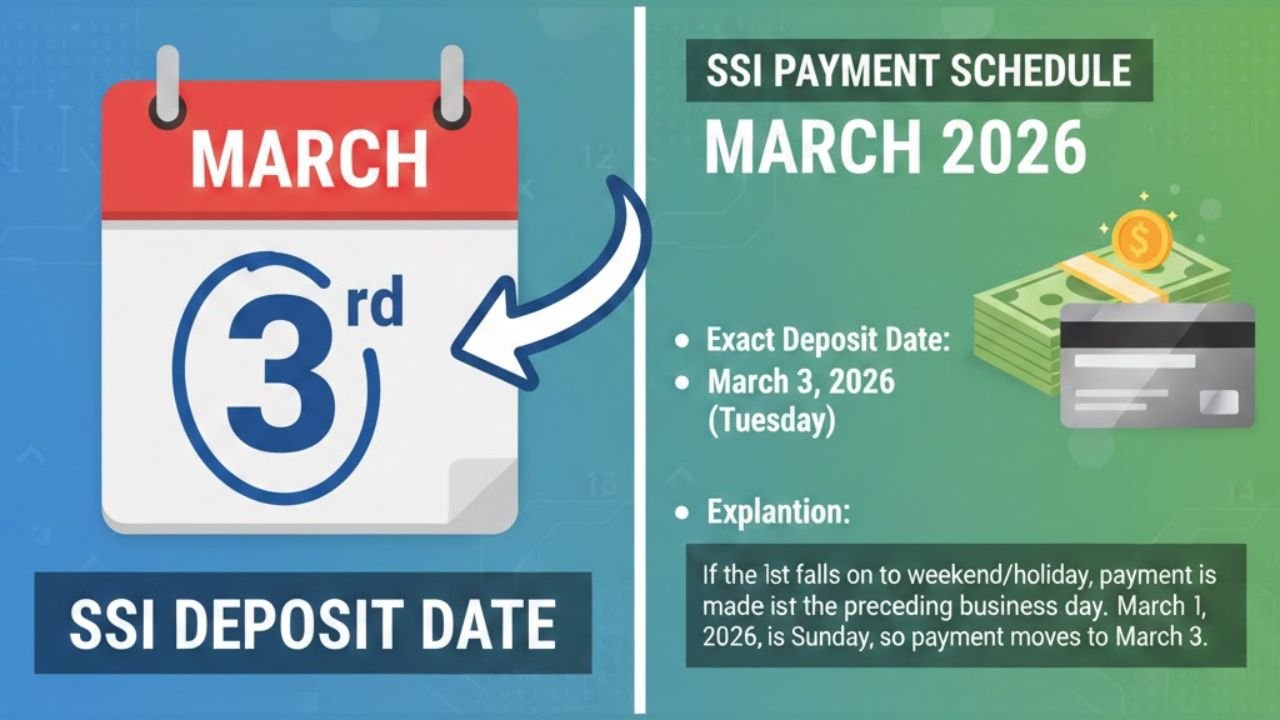
The Social Security Administration (SSA) adheres to a strict protocol regarding weekends and federal holidays. Under federal law, if the first day of the month falls on a Saturday, Sunday, or a legal holiday, the SSA is required to issue SSI payments on the preceding business day. In 2026, March 1st falls on a Sunday. Because banks and federal offices do not process standard transactions over the weekend, the March 2026 SSI payment will be deposited on Friday, February 27, 2026. This means that although the money is intended for March’s expenses, it will physically appear in bank accounts or on Direct Express cards before February ends.
Understanding the “No Payment” Month
A common point of confusion for many beneficiaries is why they might see two deposits in February but none in March. This phenomenon is often referred to as a “glitch” month, though it is actually a planned scheduling adjustment. Since the March benefit arrives early on February 27, the calendar month of March will pass without a secondary SSI deposit. It is vital for households to understand that this is not an “extra” check or a bonus stimulus; rather, it is simply your March money arriving 48 hours early. Failing to recognize this can lead to a financial gap, as the next scheduled payment won’t arrive until April 1, 2026.
March 2026 Social Security and SSI Payment Dates
To help you track exactly when your specific benefits will arrive, the following table breaks down the various payment tiers for March 2026.
| Benefit Type | Recipient Criteria | Scheduled Deposit Date |
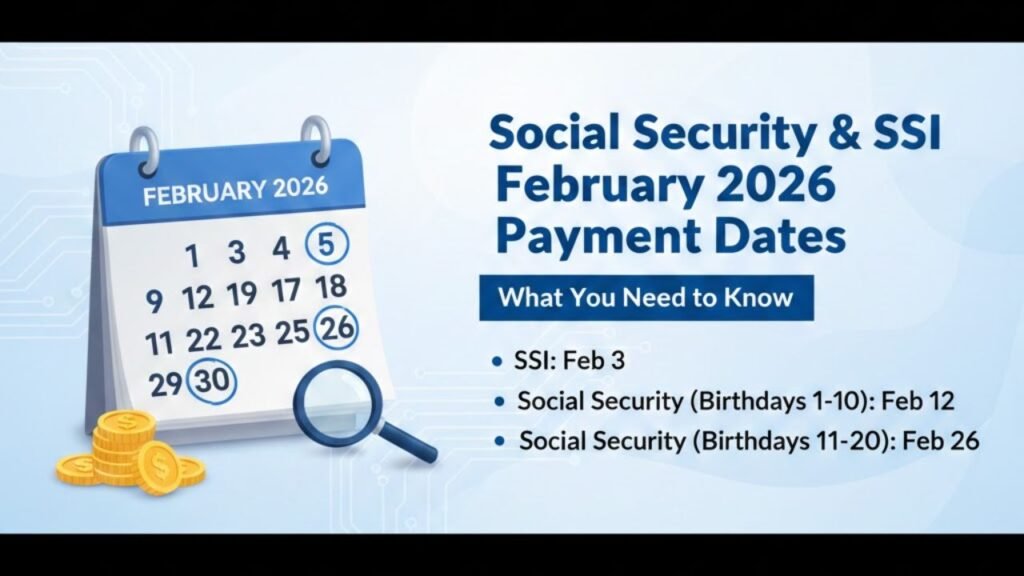
| SSI (March Benefit) | All SSI Recipients | February 27, 2026 |
| Social Security | Received benefits before May 1997 | March 3, 2026 |
| Social Security | Birthdays 1st – 10th | March 11, 2026 |
| Social Security | Birthdays 11th – 20th | March 18, 2026 |
| Social Security | Birthdays 21st – 31st | March 25, 2026 |
Maximum Benefit Amounts for 2026
With the 2026 Cost-of-Living Adjustment (COLA) of 2.8% now in full effect, recipients should see a slight increase in their monthly checks compared to the previous year. For 2026, the maximum federal SSI payment is $994 for an eligible individual and $1,491 for an eligible couple. Those who provide essential care to an SSI recipient may receive up to $498 as an “essential person.” It is important to note that these are the federal maximums; your specific payment may be lower depending on your countable income, living arrangements, and any state-specific supplements that might be added to your federal benefit.
Strategic Budgeting for the Long Gap
The early arrival of the March payment creates a uniquely long interval between checks. Because the March funds land on February 27 and the April funds arrive on April 1, recipients must make a single payment last for approximately 33 days. Financial experts recommend setting aside the February 27 deposit specifically for March bills and resisting the urge to spend it early. Since there is no deposit during the actual 31 days of March, careful planning is the only way to avoid a shortfall. If your payment does not arrive by the expected date, the SSA advises waiting three additional mailing days before contacting them to report a missing check.
Eligibility and Residency Requirements
To remain eligible for these payments in 2026, beneficiaries must continue to meet strict income and asset limits. Additionally, recipients must reside in one of the 50 states, the District of Columbia, or the Northern Mariana Islands. Being absent from the United States for a full calendar month or for 30 consecutive days can result in a suspension of benefits. If you have recently moved or changed bank accounts, updating your information through the “my Social Security” portal is the most efficient way to ensure your March funds are routed to the correct destination without delay.
Final Reminders for March Beneficiaries
As you prepare for the end of the first quarter of 2026, keep a close eye on your electronic statements starting February 27. The shift in payment dates is a recurring feature of the SSA’s management system and occurs several times a year. By staying informed about these calendar nuances, you can maintain better control over your household finances and avoid the stress of a “missing” March check. Always rely on official communications from the Social Security Administration for the most accurate and up-to-date information regarding your specific claim.
FAQs
Q1 Why didn’t I get a check in March 2026?
You did not receive a check during the month of March because the March payment was issued early on February 27, 2026. This happened because March 1 fell on a Sunday.
Q2 Is the February 27 payment an extra bonus?
No. It is your regular March SSI payment moved forward. You are still receiving exactly 12 payments for the 2026 calendar year; only the timing has changed.
Q3 What should I do if my payment is missing?
If your direct deposit hasn’t arrived by March 2, wait three days and then contact the SSA at 1-800-772-1213 or log into your “my Social Security” account online.