Supplemental Security Income (SSI) is generally reserved for the most vulnerable populations, including those with limited income and resources who are aged, blind, or disabled. Unlike standard Social Security, which is paid in arrears (meaning the February check covers January benefits), SSI is typically paid on the first day of the month for which it is due. However, because February 1, 2026, fell on a Sunday, the SSA issued those payments early on Friday, January 30. This quirk in the calendar means that while you received your “February” money in late January, you must budget those funds to last through the entire month of February. It is a common point of confusion, but rest assured that no payment was missed; it was simply accelerated to ensure you had access to your funds before the weekend began.
Social Security Payment Dates Based on Birthdays
For the nearly 51 million retired workers receiving traditional Social Security or SSDI, the payment dates are strictly dictated by the day of the month on which they were born. This staggered system prevents the banking system from being overwhelmed by tens of millions of transactions on a single day. If your birthday falls between the 1st and the 10th, you can expect your deposit on the second Wednesday of the month. Those born between the 11th and 20th receive theirs on the third Wednesday, and anyone born from the 21st to the 31st receives their funds on the fourth Wednesday. This rhythmic schedule allows for better financial planning, as the dates remain consistent throughout the year regardless of shifting month-to-month calendar dates.
February 2026 Official Payment Schedule Table
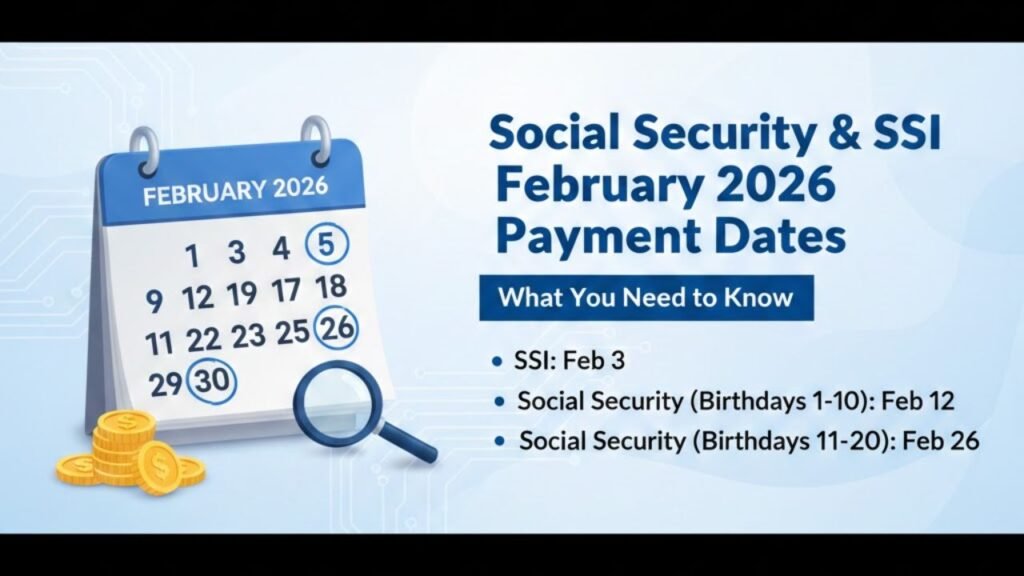
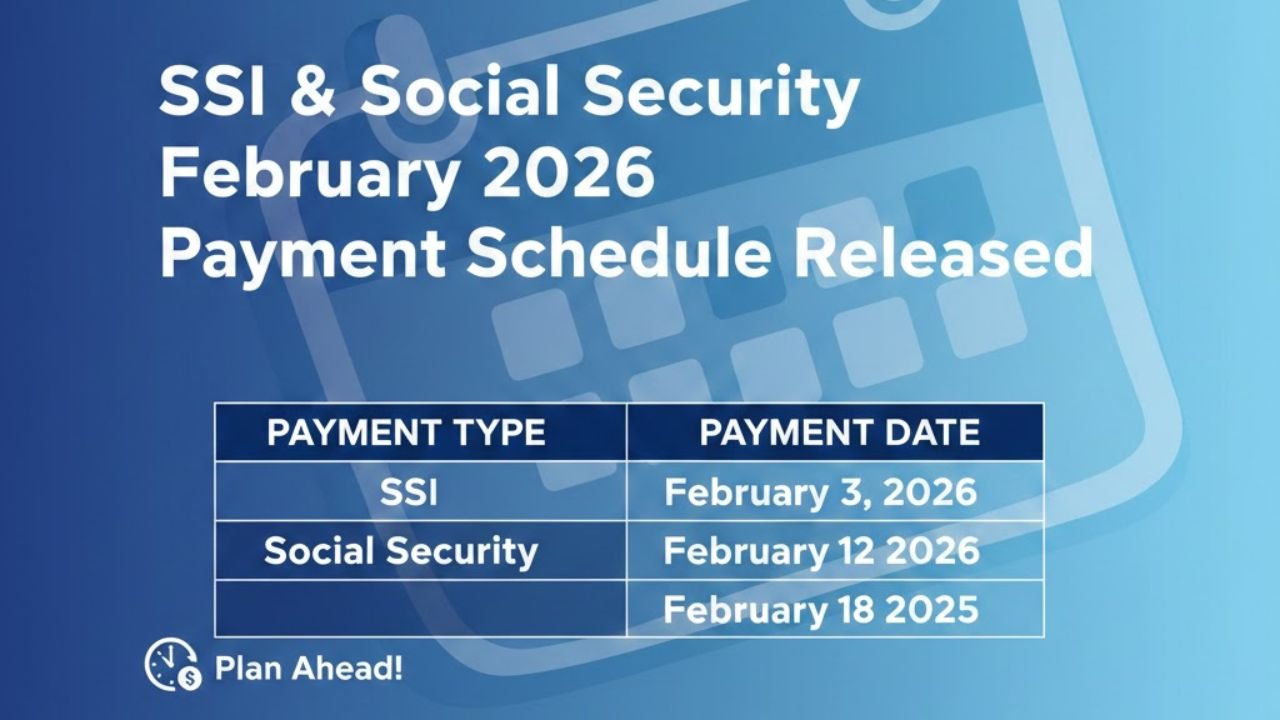
| Benefit Category | Criteria / Birth Date | Payment Date |
| SSI (February) | All eligible recipients | January 30, 2026 |
| Social Security | Filed before May 1997 | February 3, 2026 |
| Social Security | Born 1st – 10th | February 11, 2026 |
| Social Security | Born 11th – 20th | February 18, 2026 |
| Social Security | Born 21st – 31st | February 25, 2026 |
| SSI (March) | All eligible recipients | February 27, 2026 |
Why Some People Receive Their Checks on the Third
There is a specific “legacy” group of beneficiaries who do not follow the Wednesday birthday-based schedule. If you began receiving Social Security benefits prior to May 1997, or if you receive both Social Security and SSI (concurrent benefits), your Social Security payment is traditionally issued on the 3rd of every month. For February 2026, the 3rd falls on a Tuesday, so there are no holiday or weekend interruptions for this group. Additionally, if your state pays your Medicare premiums or if you live outside of the United States, you likely fall into this early-month payment category. Understanding which “bucket” you fall into is essential for avoiding unnecessary stress when checking your bank balance.
The Double Payment Phenomenon in late February
As we look toward the end of February 2026, SSI recipients will notice something unusual: a second deposit appearing on Friday, February 27. While this might look like a “bonus” or an error, it is actually the payment for March 2026. Because March 1st falls on a Sunday, federal law requires the SSA to send those funds out on the last business day of the previous month. This creates a “double payment” month in February, which is immediately followed by a “no payment” month in March. It is vital for recipients to remember that the money arriving on February 27th is intended to cover March expenses. Spending it too early could lead to a significant financial gap during the following month.
Impact of the 2026 COLA on Monthly Totals
The 2.8% COLA increase for 2026 has brought a modest but necessary boost to the average check. For the typical retired worker, this has meant an average increase of approximately $56 per month, bringing the average benefit to roughly $2,071. SSI maximum federal amounts have also shifted, with individuals now eligible for up to $994 and couples seeing a maximum of $1,491. While these adjustments are calculated to keep pace with inflation, many seniors find that Medicare Part B premium increases can sometimes eat into these gains. Keeping a close eye on your “My Social Security” account online is the best way to see the exact breakdown of your gross benefit versus your net take-home pay.
Managing Potential Delays and Bank Processing
Even with a set schedule, the exact time your funds hit your account can vary based on your financial institution. Traditional banks may hold funds until the actual morning of the scheduled date, while certain “early deposit” fintech apps and debit cards (like Chime, SoFi, or Netspend) often release funds as soon as they receive the notification from the SSA. This can sometimes result in payments arriving 2 to 3 days ahead of the official schedule. However, if your payment does not arrive on the expected date, the SSA advises waiting at least three additional mailing days before contacting them. Technical glitches, though rare, can happen, and the SSA usually resolves these within 24 to 48 hours.
Preparing for the Months Ahead
As 2026 progresses, it is wise to mark your calendar for other months where the “weekend rule” will affect your SSI payments. Beyond the February/March shift, you will see similar patterns in August and November. Staying informed about these calendar nuances ensures that you are never caught off guard by a “missing” check that was actually just sent early. By maintaining a clear understanding of the SSA’s logic—from birthday-based Wednesdays to early weekend distributions—you can maintain better control over your household budget and financial security throughout the year.
FAQs
Q1 Why did I get two SSI payments in February 2026?
You received your February payment early (on Jan 30) because Feb 1 was a Sunday. You will receive your March payment on Feb 27 because March 1 is also a Sunday. It is not an extra check, but a scheduling shift.
Q2 Is there a benefit cut happening in March 2026?
No. There is no SSI deposit in March simply because the March payment was issued early on February 27. You still receive 12 full payments over the course of the year.
Q3 How much was the Social Security increase for 2026?
The Cost-of-Living Adjustment (COLA) for 2026 is 2.8%. This increase began with SSI payments in late December 2025 and Social Security payments in January 2026.